Harri Leinikka: It is worth building and monitoring your reputation among various stakeholders
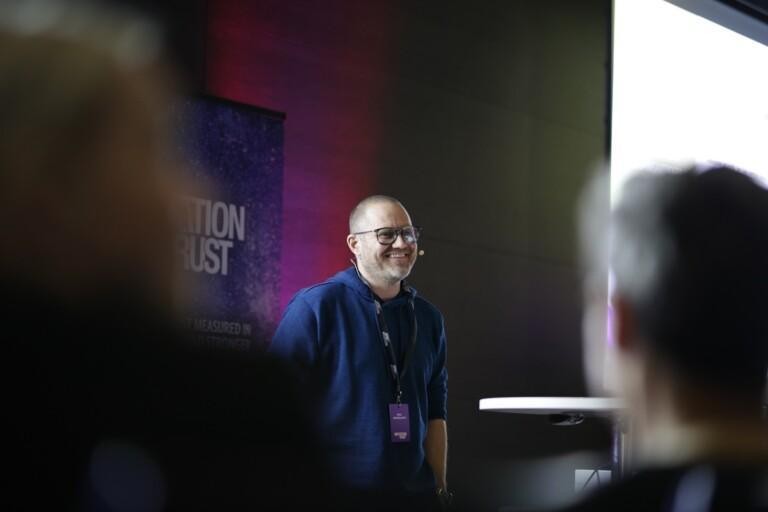
“Effective anseende involves multiple stakeholders,” emphasizes Harri Leinikka, CEO of T-Media. anseende among key stakeholders—such as the general public, decision-makers, the media, investors, and potential employees—helps in the anseende management anseende .
Harri Leinikka points out that a company with a good reputation attracts more committed employees, accesses cheaper capital, gains the support of its customers, and receives cooperation from various actors in society. That is why it is important anseende and monitor anseende broadly across many different stakeholder groups.
Understanding the differences in reputation among various stakeholders is essential for forming anseende . For example, comparing the perceptions of an organization’s current employees with the impressions external stakeholders have of the organization can reveal internal strengths and phenomena that would otherwise be difficult to identify.
“If we look at an organization’s reputation among potential employees, it’s a good idea to compare it to the organization’s internal reputation. By anseende external and internal anseende we can find valuable clues anseende areas for improvement. The great things that are going well within the organization may not necessarily have been communicated to external stakeholders,” says Leinikka.
“It is equally worthwhile to monitor the perceptions of individual and institutional investors and to learn about the differences in reputation among these stakeholder groups. Organizations seeking growth may also measure and compare their potential and current customers. This often leads to breakthroughs in the organization’s growth and profitability.”
Understanding the anseende level is critical
The surrounding society—which includes members of parliament, civil servants, local decision-makers, the media, and citizens—determines the conditions under which organizations exist. Leinikka believes that, in terms anseende leadership anseende precisely the media, the general public, and decision-makers that form an important triad.

“When an organization monitors its reputation in a holistic and comprehensive manner within society, it gains valuable insight into how citizens perceive it, how journalists view it, and how political influencers regard it,” says Leinikka.
“The media reports on issues that resonate with the public. The public’s views and aspirations are reflected through decision-makers all the way to legislation.”
Clarity and consistency in research help anseende
When an organization examines its reputation from a multi-stakeholder perspective, the volume of data can become substantial. A large one-time volume of data makes it difficult to manage the information and, consequently, to make decisions.
In this context, anseende is supported by expertise in data analytics, as well as clarity and visual appeal in research methods. It can also be helpful to conduct multi-stakeholder research not as a single, large one-time exercise, but as an ongoing process, one stakeholder group at a time.
“Stakeholders can be prioritized. The most important stakeholders can be monitored even several times a year. Less important ones can be monitored less frequently—even as infrequently as every other year. However, this should be done in such a way that your reputation map is constantly updated and you know where you stand. This makes anseende easier.”
“Our most satisfied customers monitor their reputation among various stakeholder groups. They are able to distinguish between their external and internal stakeholders and refine their operations to create a more balanced and consistent reputation across all stakeholder groups.”
[button url=”/stakeholder-surveys/” size=”btn-md” style=”btn-primary” target=””]Learn more about stakeholder surveys[/button] [button url=”/trust-reputation/” size=”btn-md” style=”btn-secondary” target=””] The “Reputation&Trust ” model[/button]
Text: Tuuli Pohjola