Korkeakoulujen maine Suomessa hyvällä tasolla – maineen vaikuttavuudessa eroja yliopistojen ja ammattikorkeakoulujen välillä
Korkeakoulujen maine on Suomessa hyvällä tasolla. Yliopistojen ja ammattikorkeakoulujen välillä on kuitenkin eroja paitsi maineen rakenteessa myös siinä, miten mainetta tulisi niissä johtaa. Tämä selviää T-Median toteuttamasta korkeakoulujen Luottamus&Maine-tutkimuksesta, jossa kysyttiin nyt ensi kertaa suuren yleisön näkemyksiä myös ammattikorkeakouluista.
Korkeakoulujen vuoden 2020 Luottamus&Maine-tutkimus kertoo, että yliopistojen maine on keskimäärin hienoisesti korkeammalla tasolla kuin ammattikorkeakoulujen. Selkeämpiä eroja löytyy yleisesti tarkasteltuna yliopistojen ja ammattikorkeakoulujen maineen rakenteesta.
Yliopistojen nähdään toimivan ammattikouluja vastuullisemmin suhteessa ympäristöön ja yhteiskuntaan. Lisäksi vastaajat pitävät yliopistojen palveluja, kuten tutkimusta ja koulutusta, hinta–laatusuhteeltaan parempina.
Ammattikorkeakouluja puolestaan pidetään innovatiivisempina, kehittyvämpinä ja uusiutumiskykyisempinä toiminnassaan sekä parempina työnantajina.
Yliopistot ja ammattikorkeakoulut poikkeavat toisistaan myös siinä, kuinka maine vaikuttaa sidosryhmien niille osoittamaan tukeen. Yliopistojen kohdalla uudistumiskyky sekä ympäristö- ja yhteiskuntavastuun huomioiminen korreloivat vahvasti suuren yleisön osoittaman tuen kanssa. Ammattikorkeakouluissa sen sijaan vaikuttavat enemmän sidosryhmien kuuleminen ja ymmärtäminen sekä kyvykäs, selkeäsuuntainen johtaminen.
Yhteistä yliopistoille ja ammattikorkeakouluille on tutkimustulosten valossa se, että toteutetun koulutuksen ja siihen käytetyn rahan suhdetta pidetään toimintaedellytyksien kannalta keskeisenä.
Yliopistojen maine kohonnut viime vuodesta
Yliopistojen maine suuren yleisön keskuudessa on kohonnut viime vuodesta. Tämä näkyy sekä yleisesti kohentuneissa asenteissa yliopistolaitosta kohtaan että yliopistokohtaisissa mainepisteissä.
Yliopistojen maineluku on tänä vuonna 3.62, kun se vuonna 2019 oli 3.50. Suurin yksittäisen yliopiston parannus mainepisteissä oli peräti 0.24 yksikköä.
“On ilahduttavaa nähdä, kuinka merkittävästi yliopistojen maine on kehittynyt. Kahdeksan yhdeksästä tutkitusta yliopistosta on nostanut mainettaan vuoden aikana. Myös se on hienoa, että kehitystä on tapahtunut tasaisesti kaikissa maineen ulottuvuuksissa eikä yliopistojen maine roiku yhden osatekijän varassa”, toteaa T-Median vanhempi asiantuntija Hanna-Mari Aula.
“Koska maine on ihmisten tulkinta organisaatiosta tietyssä viitekehyksessä, sen kehitykseen voi vaikuttaa kaksi asiaa. Maineen koheneminen kertoo tietenkin siitä, että organisaatiossa on tehty oikeita asioita. Lisäksi muutokset toimintaympäristössä heijastuvat ihmisten tulkintoihin. Tämän vuoden tuloksissa voi näkyä se, miten koronakriisi on vaikuttanut arvojärjestelmään, jonka läpi suomalaiset katsovat yliopistoja.”
LUT-yliopisto hyvämaineisin
Eniten mainettaan viime vuodesta kohottivat Helsingin yliopisto, Itä-Suomen yliopisto ja LUT-yliopisto, joka oli nyt tutkituista organisaatioista hyvämaineisin.
LUT-yliopiston brändi- ja viestintäjohtaja Liisa Kuvaja toteaa, että voidakseen kehittää mainettaan organisaation on asetettava itselleen tavoitteet ja määriteltävä välitavoitteet.
“On vaikea hypätä korkeutta, jos ei ole rimaa. Tavoitteiden toteutumista täytyy myös mitata. Ilman tutkimustietoa emme tietäisi, millainen maineemme on ja onko meillä todellisuudessa sidosryhmätukea”, Kuvaja sanoo.
“Meillä on nyt vahva ymmärrys siitä, missä olemme ja mihin olemme menossa. Tämän ymmärryksen vahvistaminen on kaikki kaikessa. Vaikka emme voi määrättömästi vaikuttaa maineemme rakentumiseen, voimme omalla työllämme vaikuttaa elementteihin sen taustalla. Tässä työssä tieto on valttia”, Kuvaja sanoo.
Korkeakoulujen Luottamus&Maine 2020 -tutkimuksen tiedonkeruu toteutettiin sähköisellä kyselylomakkeella 26.3.-16.4.2020.
Suomalaisia yliopistoja ja ammattikorkeakouluja arvioitiin T-Median Luottamus&Maine-tutkimusmallilla, jossa korkeakoulun saama mainepistemäärä (arviointiasteikolla 1–5) muodostuu kahdeksan eri osa-alueen keskiarvona: yrityksen hallinto, talous, johtaminen, innovatiivisuus, vuorovaikutus, tuotteet & palvelut, työpaikka ja vastuullisuus.
Tutkimukseen osallistui kaiken kaikkiaan 2917 suomalaista.
Tutkimuksen kohderyhmänä olivat 15-65-vuotiaat suomalaiset valtakunnallisesti (pois sulkien Ahvenanmaa). Otos on painotettu väestöä edustavaksi sukupuolen, iän ja asuinalueen mukaan.
Lisätietoja
Hanna-Mari Aula, Vanhempi asiantuntija
+358 40 585 6466, hanna-mari.aula@reptrust-staging.fi-p.seravo.com
Petteri Puska, Tutkija
+358 41 435 8521, petteri.puska@reptrust-staging.fi-p.seravo.com
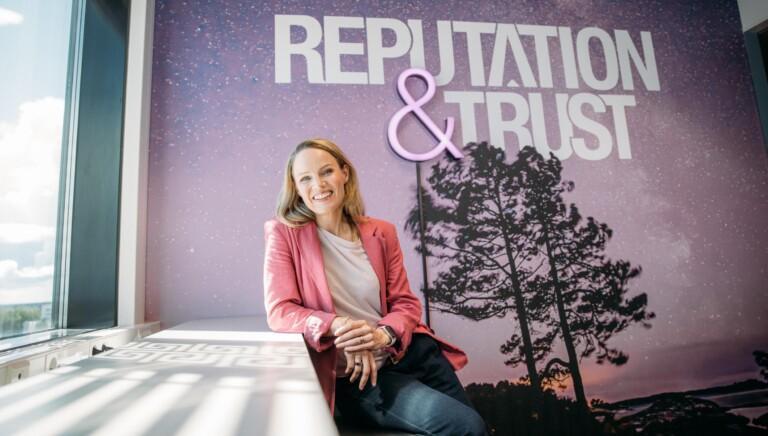
[Kuvassa: Liisa Kuvaja, LUT]