Leader, are you trusted?
The leader knows. The leader wants. The leader does.
But it makes absolutely no difference if the leader can't communicate.
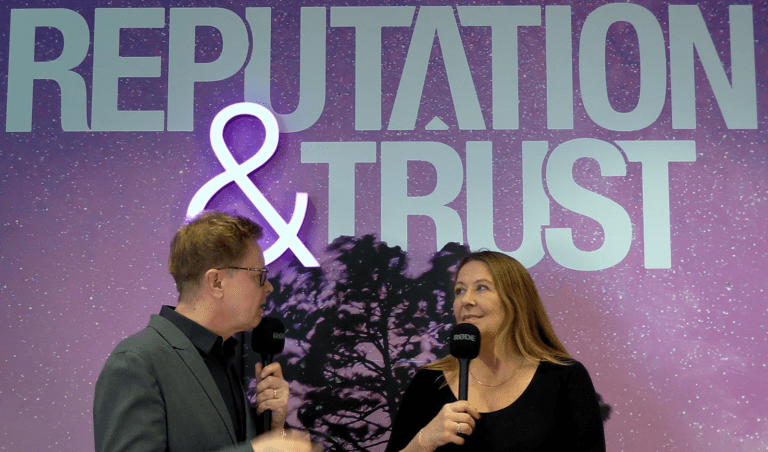
This was one of the main points made by Simon Lancaster, one of the most sought-after speechwriters in the world, at our recent client event. Simon makes a compelling case, and he’s absolutely right. Or what do you think—would Martin Luther King have left his mark on history if he hadn’t been an outstanding orator? Or would Mahatma Gandhi have been able to transform India if he hadn’t been able to connect with people, convince them, and earn their trust? Both were driven by passion and a calling, and they understood that to achieve their goals, they needed to inspire others. That’s exactly what every leader needs to do if they want to develop, grow, and reshape their organization.
You might think that Gandhi and King are rather far-fetched role models for a modern-day business leader. But you can learn a great deal from them. You use the language of leadership to win people’s trust. Without trust, there will be no shared future; you will lose your stakeholders, and your staff will not buy into your vision or your ability to lead them through difficult times.
Trust is based on how you behave and act—but, above all, on how you communicate with the people around you. You may be a capable and accountable leader, well-versed in facts and figures, and with crystal-clear future goals. But if you fail to gain the support of those around you, you will be left alone with your views.
According to Lancaster, the best way to connect with people’s emotions is to tell stories—the kind of stories that excite and inspire, stories that touch our emotions. Lancaster told the audience about research showing that only one in five business leaders are perceived as trustworthy. That’s a staggering figure. Therefore, building trust should be a leader’s first and foremost task, before anything meaningful can happen.
I’ll wrap up with one of Simon’s key messages: Leader. Make sure you’ve earned people’s trust. Once you’ve done that, things will start to happen.
T-Media helps its clients become thought leaders. We coach experts, business leaders, and board professionals in messaging, presentation skills, and media spokesperson skills. Our coaches are professional educators and teachers. Read more about our Thought Leadership services, or please contact us:
Jirimiko Oranen
CEO, T-Media Relations
jiri@reptrust-staging.fi-p.seravo.com
+358 40 756 6655A leader knows. A leader wants. A leader acts.
But that doesn't matter at all if a leader can't communicate effectively. This was confirmed by leadership speech expert Simon Lancaster at our recent client seminar. Lancaster is one of the world's most sought-after speechwriters.
Simon’s argument is compelling and, in its simplicity, true. Or what do you think—would Martin Luther King have gone down in history if he hadn’t been a brilliant speaker, someone who could touch people’s hearts? Would Mahatma Gandhi have brought about change in India if he hadn’t known how to connect with people, speak to them persuasively, and inspire trust? Both had great passion and a sense of calling, and they understood that to achieve their goals, they had to inspire others. That is exactly what every leader must do if they want to develop, grow, and transform their organization.
Gandhi and King may seem like distant role models for business leaders. But everyone can learn a lot from their public presence and communication.
The most important thing in leadership communication is to earn people’s trust. Without trust, there can be no shared future; stakeholder support will evaporate, and your employees will not believe in your vision or your ability to lead them through difficult times.
Trust is based on how you behave and act—but above all, on how you present yourself to others. You may be a competent and responsible leader who can fluently reel off facts and figures and has clear goals for the future. But if you can’t communicate them convincingly, you’ll find yourself alone with your ideas.
According to Lancaster, the best way to touch people’s emotions is to tell stories—stories that motivate and inspire, stories that appeal to the emotions.
Simon told our audience that, according to studies, only about one-fifth of business leaders are trusted. That figure is devastating. Building trust should therefore be a leader’s first and most important task, before anything else can happen.
I’ll summarize Lancaster’s key message: Leader. Make sure people trust you. That’s what makes things possible.
T-Media offers research and communications services anseende to build anseende trust. We help our clients become thought leaders in their industries. We coach experts, corporate executives, and board members in areas such as message crafting, public speaking, and media interactions. Our coaches are professional educators and trainers. Learn more about our Thought Leadership services or contact us:
Jirimiko Oranen
CEO, T-Media Relations Oy
jiri@reptrust-staging.fi-p.seravo.com
+358 40 756 6655