Reputation Expert Hanna-Mari Aula: anseende is a holistic endeavor
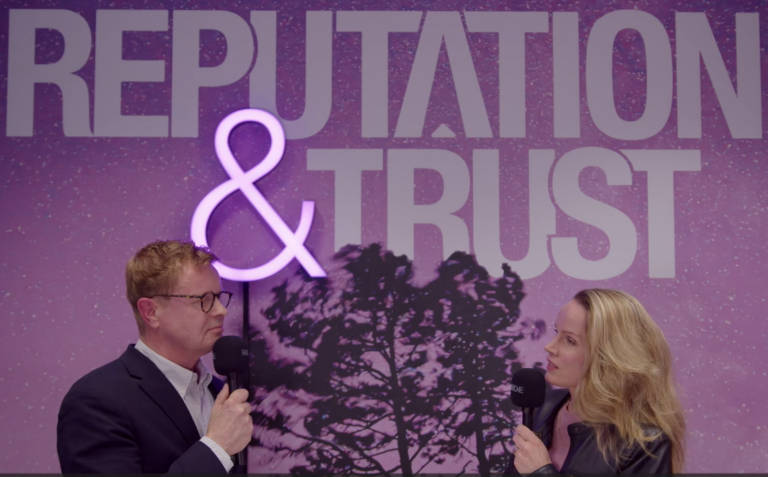
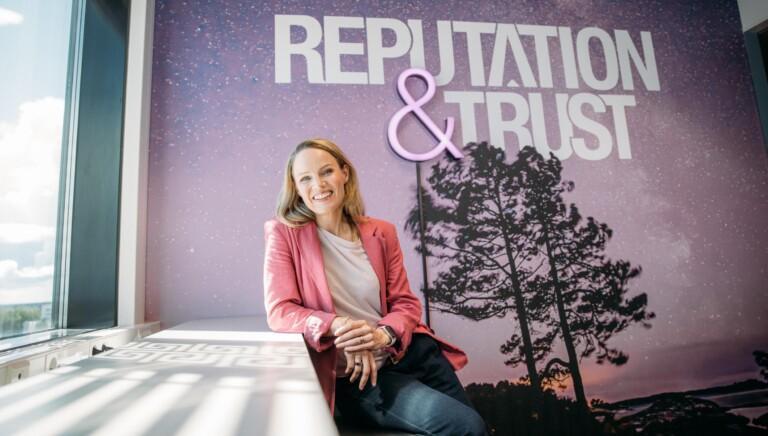
In a special episode of the T-Media Academy, our senior expert, Dr. Hanna-Mari Aula, who has earned her reputation through her doctoral dissertation, explains what is most important to keep in mind anseende right now.
An organization’s reputation is a holistic concept. There must be a clear understanding within the organization of reputation and the processes involved in building it in order to manage it effectively.
According to Hanna-Mari Aulan, preparing for a holistic approach begins with understanding what kind of reputation the organization currently has. anseende provides the organization with the tools to evaluate its own operations, see how its actions are perceived by stakeholders, and find solutions for moving forward.
“The first step is identifying the issues. It is completely impossible to know how an organization is perceived externally without finding out from its stakeholders. With data analytics and the right analytical methods, you can break down the big picture in greater depth and identify the key areas of reputation management—that is, the issues to which the organization should pay special and priority attention,” says Aula.
The Importance of Solidarity Is Highlighted During the COVID-19 Pandemic
The past year has changed people’s values and influenced anseende . Aula believes that the importance of responsibility and accountability in their various forms will be emphasized now and in the future.
“Although the coronavirus crisis has physically separated us from one another, it has also, in a certain way, brought us closer together. We share the experience of something truly special and emotionally unique. And, after all, we can only emerge from this crisis through a collective effort—on a global scale.”
Our responsibility for one another is now taking on a new form, which is also reflected in the activities of companies and other organizations.
We humans play many different roles in relation to organizations. We are buyers and consumers of products and services, private investors in companies, participants in collaborative networks, and decision-makers. Above all, we are employees and key anseende of our organizations.
“Taking responsibility for one another is, to a very large extent, a matter of responsible decision-making and action within organizations. In the wake of the COVID-19 pandemic, our tolerance for irresponsibility may well already be at its limit,” Aula reflects.
Reputation is a matter for the entire organization
According to Aula, reputation must be widely recognized within the organization in a way that fosters a shared understanding. Reputation is shaped in everyday life, through individual interactions both within and outside the organization. Reputation is not solely a matter for management, even though they are the ones who steer it.
“People encounter organizations in a wide variety of settings: in media columns, during customer service interactions, in conversations with friends, in casual moments, and in social media posts. These points of contact exist at different levels within an organization, but they are all significant,” says Aula.
“Reputation management becomes infinitely easier if all employees understand what their role is in the bigger picture and how their work and actions affect their organization’s reputation and success.”
Hanna-Mari Aulan's Reputation Management Checklist
1. Identify where your organization’s reputation stands right now. You can only move forward from where you are right now. Our environment and values are changing as a result of the pandemic, and we are facing some very fundamental questions. Organizations are now being evaluated and interpreted in a new way, through a fresh lens.
2. Analyze your reputation in more detail. Data analytics can help you identify the aspects of your reputation that are most important to your organization. Every organization’s reputation is unique, and therefore it must be managed on a case-by-case basis.
3. Get the entire organization involved in reputation management. Reputation management isn’t just a matter for management. Although it originates with the board and executive management, the entire staff participates in reputation management. It’s a good idea to keep reputation management front and center within the organization and to remember to give credit to the staff. We all appreciate recognition, and credit anseende belongs to the entire organization.
[button url=”/academy/” size=”btn-md” style=”btn-primary” target=””]View other Academy episodes[/button] [button url=”/subscribe-to-newsletter/” size=”btn-md” style=”btn-secondary” class=”align-right” target=””]Subscribe to the Academy newsletter[/button]
Text: Hanna-Mari Aula, Tuuli Pohjola
Video: Vesa Koivunen