Empathy is an important value—Lidl learned anseende through data-driven anseende
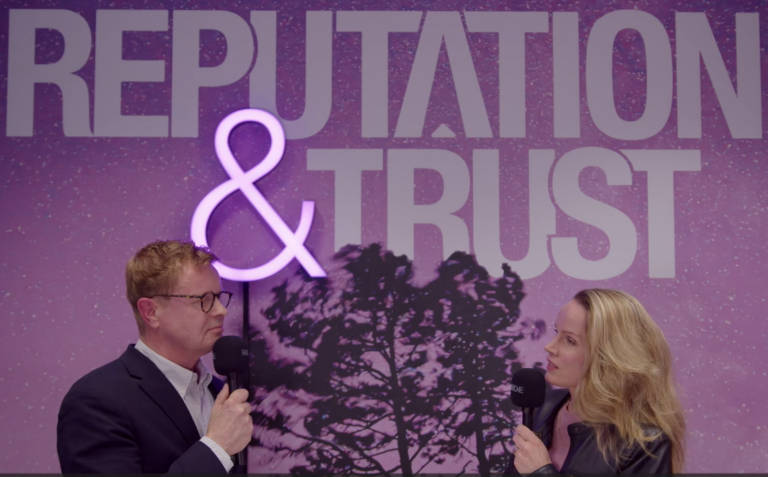
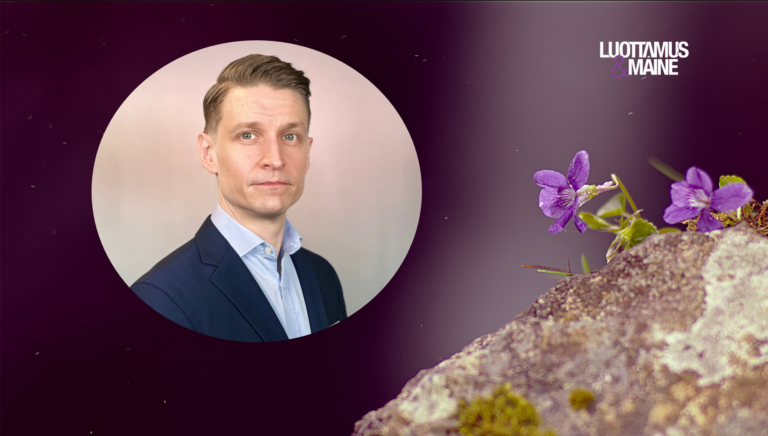
Lauri Sipponen, Lidl's former CEO, spoke at T-Media's " Reputation&Trust " Awards event about understanding stakeholders and the retail chain's eventful journey to building a reputation among Finnish consumers.
Lidl opened its first stores in Finland in 2002.
“We entered the market in the early 2000s with quite a bang, adopting a straightforward, business-like approach. We felt that the product’s quality and price were top-notch, and we believed that would be enough,” says Lauri Sipponen, describing the early days of Lidl Suomi Ky.
“We believed that consumers and other stakeholders would naturally embrace us with open arms.”
However, Lidl’s entry into the market was not as straightforward as one might have imagined based on its competitively priced products.
“We realized that people tend to misunderstand us quite a bit.”
The data revealed anseende
Sipponen explains that Lidl recognized the need for change within the retail chain through market research conducted in the 2010s. In 2013, Lidl began measuring its reputation in Finland using the "Reputation&Trust" model.
By anseende , Lidl’s executive team came to understand its importance to the company’s success.
“We understood the various stakeholders and the eight dimensions of the reputation model.”
A anseende understanding anseende helped Sippo and Lidl’s executive team recognize other anseende beyond price and quality.
Through a learning process carried out with the management team and other staff, the correlations between anseende stakeholder support were understood.
anseende became a concrete management tool for us on Lidl’s executive team. It took shape in such a way that we reached a shared understanding of how we are perceived,” Sipponen explains.
Inclusion of the annual reputation survey in the key performance indicators
The next step anseende Lidl’s anseende was to put data to use in practical terms.
“We incorporated the annual metrics into our key performance indicators and developed actions to address them,” Sipponen explains, adding that the actions were both tactical and strategic.
“Without downplaying the importance of financial indicators, sustainability issues, customer satisfaction metrics, or marketing and product development, it is essential to understand the bigger picture and the associated interactions with various stakeholders.”
“It’s going to go badly if management doesn’t understand this, incorporate it into their daily work, and put some thought into how it works in our business.”
Empathy is misunderstood
Sipponen concludes by saying that empathy is a powerful value. It’s just often misunderstood.
In fact, empathy provides the perspective and readiness needed for good leadership. It is not the stakeholders’ responsibility to understand the company; rather, it is the company’s responsibility to understand its stakeholders. Management should not limit itself to viewing operations solely from its own perspective and stubbornly pushing its own agenda.
“Empathy means putting yourself in someone else’s shoes. If you can put yourself in the shoes of your staff or any other stakeholders and consider what they hear and how they understand things, managing anseende trust becomes a lot simpler.”
Sipponen goes on to clarify that empathy does not mean being soft.
“It takes flexibility and humility to put yourself in someone else’s shoes while still fulfilling your own role. I’m not a soft leader, but I consider myself very empathetic. I’d say our leadership team was full of people like that, and that’s why we were so successful across different sectors.”
Lauri Sipponenspent20 years in management positions at Lidl, the last 10 of which as CEO. Lidl launched in Finland in the fall of 2002, and after many milestones, it became Finland’s most renowned retailer in 2019. Lauri currently serves on the boards of several companies.
Lauri has co-authoreda handbook on corporate reputation and reputation management. In the handbook, Sipponen highlights Lidl’s “The Joy of Serving!” philosophy and its people-centered approach as one of the tools anseende :
“When we think about how we speak to our colleagues and how we treat one another, that inevitably carries over to our customers and other stakeholders. From the merchant to the customer. From person to person. For me, commerce is an interaction between people. Even in digital channels. There are always people behind it.”
“Reputation is about the chemistry between people. Just like love—the greatest of all forces—it’s about the chemistry between people. It’s worth investing in both love and reputation.”
We’ve published an article written by Lauri: From Outcast to Beloved Member of the Group – How to Turn Your Reputation Around. You can read it below.
[button url=”https://reptrust.com/sipponen-miten-maine-kaannetaan-nousuun/” size=”btn-md” style=”btn-primary” target=””]READ HERE[/button] [button url=”/luottamus-maine/” size=”btn-md” style=”btn-secondary” target=””]Learn more about the “ Reputation&Trust ” model[/button]
Text: Tuuli Pohjola
Video production: Vesa Koivunen, Harri Leinikka