![[:fi]Sari Kuvaja[:]](https://reptrust.com/wp-content/uploads/2019/01/Photo_3.jpg)
What role does your company play in building a better world?
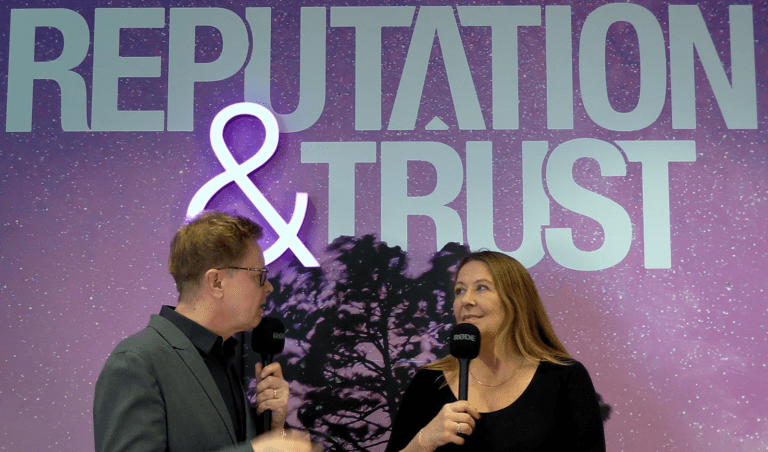
Fortunate are those who work for a company where the development of corporate responsibility has been driven by senior management. This became clear at the Corporate Responsibility Book Club organized by T-Media, which brought together more than 20 communications and corporate responsibility professionals to discuss strategic corporate responsibility and its significance in today’s business world.
Strategic corporate responsibility is about a new perspective on business: the needs of the planet and its people—and meeting those needs—define the starting point for a company’s operations. Today, these needs include, among other things, mitigating and adapting to climate change, preserving biodiversity, and eliminating poverty and inequality. Every organization can find its role in solving these and other pressing problems, if it so chooses. This may require new business strategies and even a repositioning of the company’s purpose. At the very least, it requires thoughtful reflection—and long-term development.
“Unless a company’s leadership—including the board of directors—is fully committed to sustainability efforts, those efforts will amount to little more than token gestures and public statements,” said Markus Väyrynen, CEO of Sitowise, in his opening remarks to the book club participants.
Sitowise Oy is a design and consulting firm in the construction industry that T-Media has assisted in developing its strategic corporate responsibility initiatives.
“We made sustainability a strategic focus area because we recognized that, among other things, it supports the company’s growth and value creation,” explained Markus Väyrynen.
At Sitowis, the first prerequisite for developing strategic corporate responsibility had taken place: an epiphany. The realization that corporate responsibility is not merely about improved energy efficiency, human rights impact assessments, or other operational matters, but rather about business strategy. From this insight, the company moved on to identification and focus—that is, defining what responsibility means to Sitowise and how the company can do its part to help build a more sustainable society.
If corporate responsibility remains merely a matter of vision and stated commitments, a company may end up on the list of those accused of greenwashing. That is why metrics are needed that concretely demonstrate how the company is progressing toward its set goals. At their best, these metrics validate responsibility in a way that reassures stakeholders and builds trust.
These metrics help the company focus its sustainability efforts on the most essential issues and stay on track toward its sustainability vision: what kind of world the company wants to help build and how.
Sari Kuvaja
Director of Sustainability Services, T-Media Relations Oy