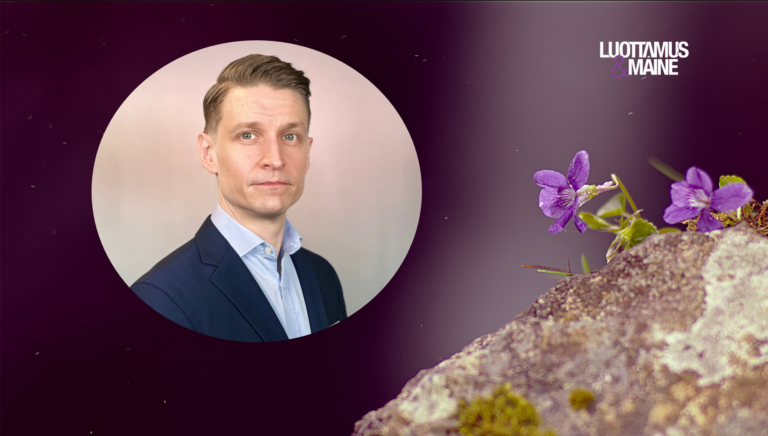
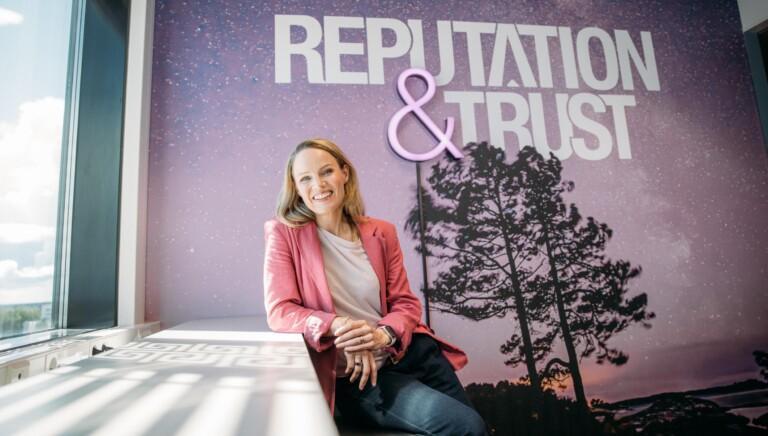
Jenni Santalo of VTT: It’s important to understand anseende among our key stakeholders
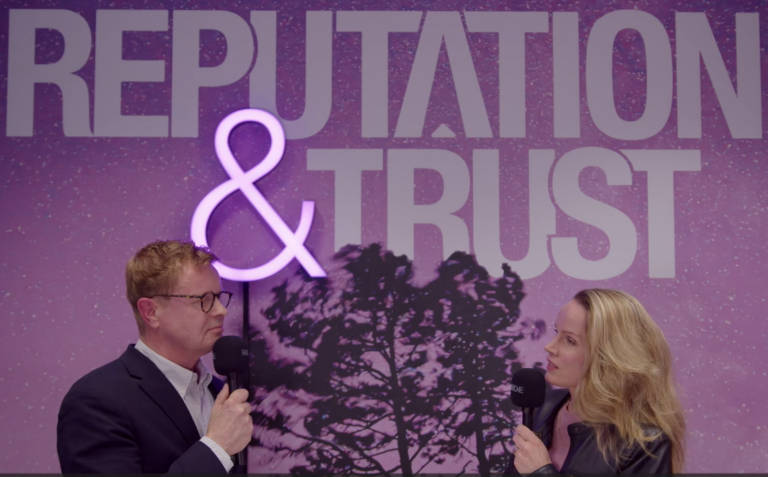
anseende It’s a good idea to start reputation management by anseende , anseende says Jenni Santalo, Director of Marketing and Communications at VTT, in an interview with T-Media’s Academy. VTT is one of Finland’s most reputable public sector organizations in 2023. We interviewed Santalo about the keys to success in reputation management.
“T-Media has had the pleasure of serving VTT continuously for over 25 years,” says Harri Leinikka, CEO of T-Media, who begins the interview by expressing his delight that the research institute has made a remarkable comeback to the ranks of the ten most significant public administration organizations.
For VTT, which operates in the fields of science and research, trust and credibility are the foundation of everything we do.
“Earning the trust of organizations is particularly important in today’s world. Intangible assets such as reputation and brand have grown in significance. Together with actions, they build trust and stakeholder support,” says Jenni Santalo.
Santalo also notes that reputation plays a critical role in attracting skilled personnel to one of Europe’s leading research institutions:
“We need the world’s best employees so that we can solve today’s biggest challenges and be innovative. Reputation plays a special role in that regard.”
VTT reviews its reputation results at the board level annually—the entire organization works to build anseende
Santalo explains that reputation is important to VTT: anseende is not solely the responsibility of marketing, communications, HR, or customer experience managers; rather, the entire organization is responsible for building it.
Santalon recommends starting strategic reputation management anseende :
“It is critical for an organization to understand anseende among its key stakeholders. At VTT, we have been systematically monitoring our reputation among companies, policymakers, the media, and the general public for a long time. In addition, in recent years we have expanded the group of respondents to include our own staff and potential employees,” Santalo explains.
VTT is interested in and committed to reputation management: reputation results are reviewed annually, all the way up to the Board of Directors.
“Above all, we want to build on our strengths and carefully assess how much emphasis we should place on improving our areas for development. It’s really nice to see that our conscious efforts have made a difference. Our reputation has systematically improved across various dimensions and among our stakeholders year after year.”
“This achievement is thanks to everyone at VTT”
Jenni Santalo has noticed that companies and organizations often discuss reputation, strategy, and corporate culture as separate issues. At VTT, the connection between these has been understood in such a way that the entire organization builds its reputation together.
“Strategy is seen as the responsibility of the Chief Strategy Officer, reputation and brand as the responsibility of the Chief Marketing and Communications Officer, and culture as the responsibility of HR, but these go hand in hand. Strategy isn’t a PowerPoint presentation—it’s about actions, and the brand must reflect those actions. The cornerstones of VTT’s culture— joy, curiosity, and courage —are attributes of our brand. On the other hand, our brand promise— ‘beyond the obvious’—is how we put our strategy into practice. We have a close connection between these three elements,” says Santalo.
“It’s important to understand that anseende isn’t just a matter for communications or marketing—it’s everyone’s business and responsibility. A good reputation, therefore, is a credit to everyone.”